“BPD isn’t a life sentence anymore.”
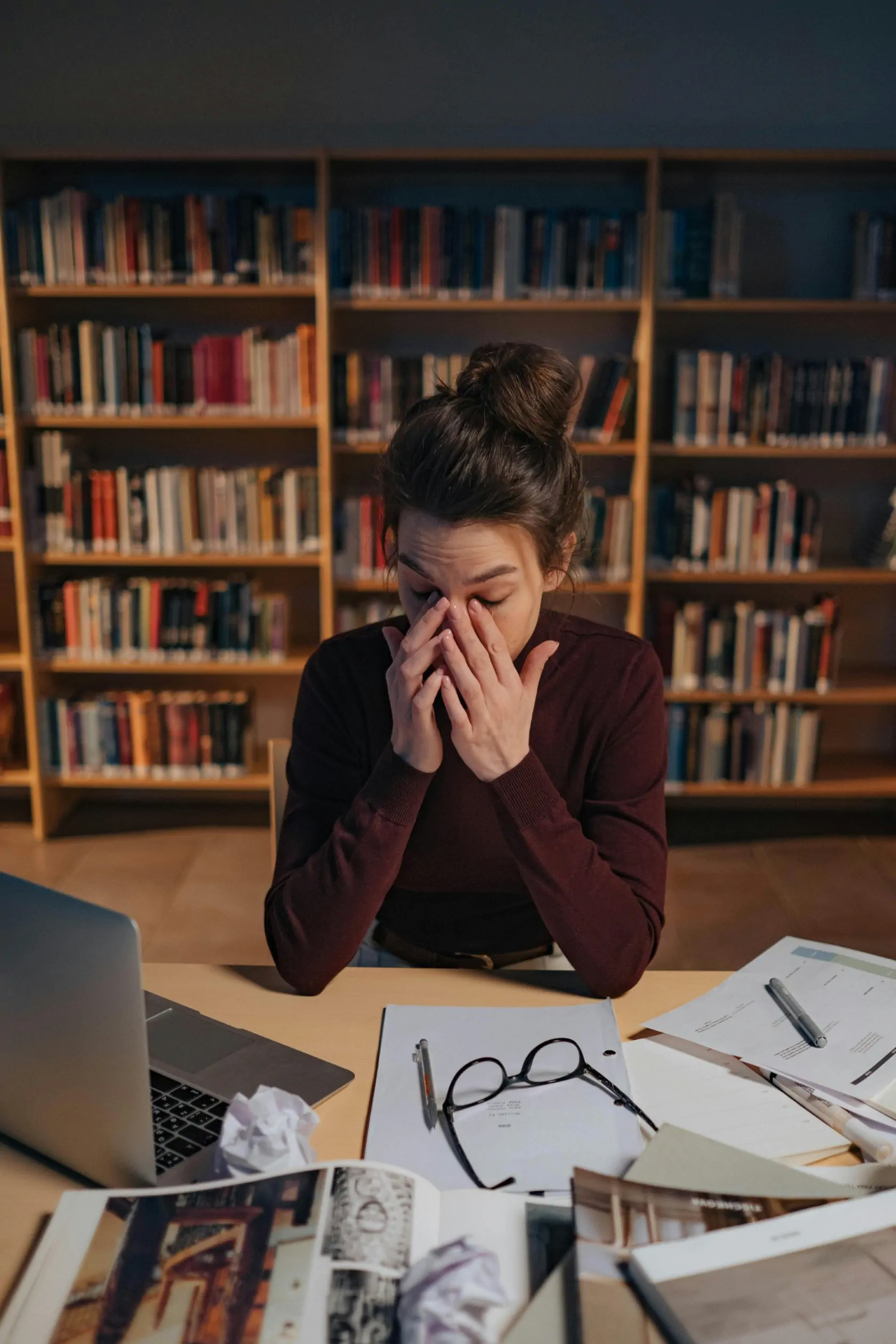
My whole life- even as a child- I felt different from others. I first noticed something wasn’t ‘right’ the month before my final year of high school began. I wasn’t able to sleep; as soon as my head hit the pillow, my mind would ‘come awake’ and I would think about what I should be doing differently, worrying that I wasn’t going to be doing enough to make the most of my final year on my sports team. I had a friend who I had heard had anxiety, but I had never experienced it myself. Up until that point, I was the chillest person you’d ever meet.
I diagnosed myself with anxiety and depression, so I sought out therapy. After trying over a dozen medications and spending a couple of years in therapy, I was officially diagnosed with treatment-resistant depression. Eventually, I found my way into a DBT program, and that’s around the time I first heard of Borderline Personality Disorder.
It’s now been six and a half years after I first noticed something wasn’t ‘right’. The symptoms I experience day to day include a tendency for black and white thinking, worrying the people I like and care about don’t feel the same way about me, core low sense of self, rapid mood changes (when people ask how I am, I joke that it depends on the hour), background-ad like suicidal thoughts, feelings of emptiness when by myself for hours at a time, and paranoid thoughts about my physical health.
Occasionally, I feel I can sense, hear, or see things of the spiritual realm. When something important is on my mind, my thoughts get stuck in a loop on that topic until something external is big enough to distract me and change the train of thought onto other tracks.
It was late summer when I realised I had BPD. I had just moved across the country to live with my aunt. The apartment I was living at terminated my lease when they thought I had been in the hospital for a suicide attempt (it was an accidental overdose – I realized and got myself to the hospital). Not only did I lose a place to live, but I lost the friendships I thought I had there. Anyway, my friend texted me something along the lines of, “I think you might have BPD”. I read what she sent about the nine different symptoms- those seemed to fit with me. I Googled BPD. The internet- even stuff posted by professionals- seemed to see these as terrible people you must keep firm boundaries with.
I had just started with a new therapist and signed up for a comprehensive DBT program. I asked for her professional opinion (she never likes talking about diagnoses because people are more than their mental illness). She agreed that my behaviors and thought patterns fell into BPD. She also told me DBT is the most effective, scientifically-proven treatment for it. At first, it felt nice to know something more was going on that just ‘treatment resistant depression’. It made sense why all the meds and regular CBT hadn’t helped.
Then, since it felt nice not to ‘be at fault for the degree of my illness’, I began over-identifying with it. I struggled with extreme self-hate by that time, so the internet making people with BPD out to be monsters led me to joke, “Yes, I have BPD – Bad Person Disorder.”
DBT (and my therapist’s unwavering support) have given me myself back. My emotions used to control me, and after 2.5 years, I can proudly say I know how to self-regulate them.
Besides DBT, what has been helpful were two rounds of Transcranial Magnetic Stimulation (TMS), coming off all meds, getting a puppy, holding a part-time job, and finding a church I feel wholly accepted at. I’m not fully in recovery yet – I still meet the criteria for BPD. But, I can again feel life is worth living.
I am not as open as I’d like to be about my diagnosis. I want people to see me and not a Googled stigma. When meeting people, I’m often asked if I am in college. I’m post-stereotypical college age, and I had to withdraw. To strangers and new acquaintances, I say I became ill and had to seek treatment for it. To familiar acquaintances, I will say mental illness, depression, or anxiety. To people I want to be close with, who I trust to see me still in a good light, I tell them BPD so that hopefully they can learn how to better support me.
Most people are respectful and don’t ask further questions. Outside my immediate family and therapist, I have four current friends/mentors who know. I have been open on two or three Facebook posts, but I delete them after a couple days so the information isn’t hanging out there. I did lose my apartment lease to mental health stigma, and I was kicked out of a church. So, the caution and fear is there. I look forward to a future where this isn’t as common.
BPD isn’t a life sentence anymore. DBT, effort, time, patience, and rock-solid support all come together to build a life worth living where symptoms are not life-interfering. There are no meds for BPD, only co-occurring disorders and intense symptoms.
Please respect people’s decisions to manage their meds or lack of meds. What works for one person isn’t a standard for another person. I lost a friend because I decided to come off meds. She believed I must not have wanted to get better. Turns out, the meds were fogging my mind, and I needed a clear mind to be able to make progress in therapy.
I am someone who has a deep capacity to care for others. For years, I was told by family and some friends that my reaching out for help was ‘manipulative’ and that changing certain behaviors was only ‘a matter of willpower’. This is a toxic message that kept me stuck. My pain was too intense, and I was lacking skills and enough unconditional love. So, if you know someone with BPD, be patient with them. Love them until they can learn to love themselves. It’s a battle, and we need all the help we can get.
When it comes to the church, my BPD is not a lack of faith. Yes, reading scripture, reflecting on God’s character and love for me, and prayer all help. God calls us to be his hands and feet, so after praying, go do something for your friend! When we reach out, sometimes all we want is someone to sit with us (in spirit or in person). If we had cancer, how would your compassion and active support be different? It shouldn’t. Cancer is not due to a ‘character fault’ and neither is BPD.
Post-script: A few weeks after writing this, I took a spring break trip to my hometown and met with my previous therapist for coffee. She informed me that she and I discussed a BPD diagnosis before I moved to live with my aunt.