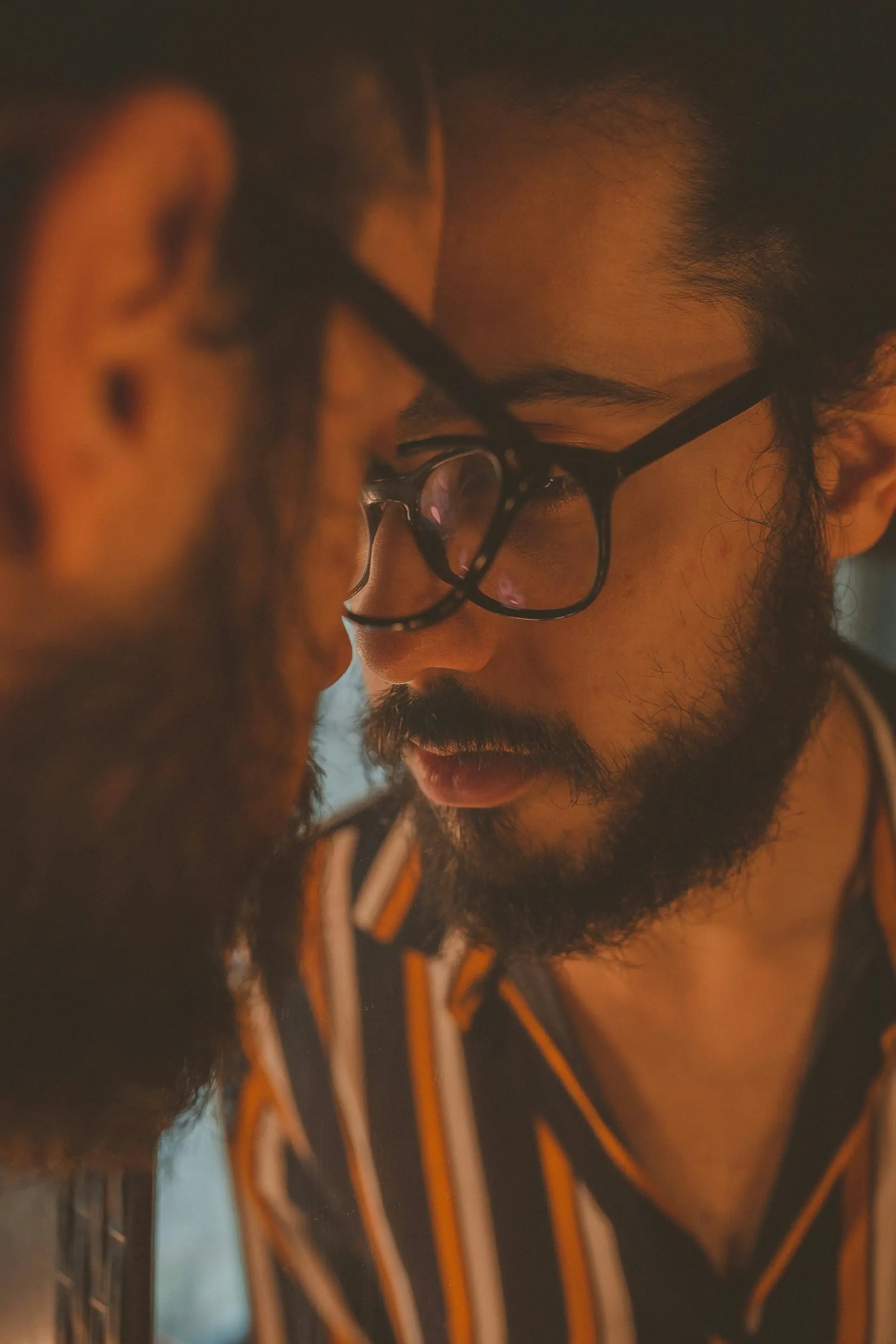
“I think a lot of LGBTQ+ people struggle with some form of mental health concern because we’ve all grown up in a world that tells us that it’s wrong to be who we are.”
My diagnoses are Bipolar Type 1 with psychotic features and Borderline Personality Disorder, so I have drawn-out periods of mania and depression, and when those end I still have problems with identity, emotional stability, anger, and suicidality. I first noticed something was wrong when I was in high school and would switch between phases of having no energy and being deeply suicidal, and then out of nowhere would have weeks where I had so much energy that I wouldn’t sleep for days.
I feel my gender is more fluid between masculine and androgynous, and my sexual orientation is primarily gay, to people of the same or similar gender identities. I definitely think my gender/sexuality and mental health compound each other.
Because I have Borderline Personality Disorder, I can feel like my identity is always changing or is constantly uncertain, and that’s been a source of a lot of questioning my gender and sexuality over the years. Another way I’ve found is that being gay, I have a harder time getting into close relationships and have had experiences of being abandoned or rejected for being LGBTQ+, which makes a fear of abandonment more profound for me.
In my day to day life, I find that emotional instability and fear of abandonment/rejection make work and friendships more difficult and unstable, and I’m constantly worried about people ending friendships. My reactions to small things make it harder to get through the day. When I have a manic or depressive episode, work becomes almost impossible and it’s almost impossible to stay productive, and I’m very lucky I haven’t had a manic episode since starting my current job.
During mania I overindulge in other people and lose sight of the important things in my life like work, and during depression I push them away to self-isolate, both of which makes my symptoms worse depending on the episode. Burning myself out with socializing and doing too many things during mania can be as unhealthy as doing nothing and isolating during depression for me.
Right now I’m on medication and I’m trying to get into Dialectical Behavior Therapy again, which I’ve done a bit in the past. I’m still early in treatment, but I’ve found mindfulness and slowing down has started to help me a bit with borderline symptoms, and medication keeps mania and depression at bay when I combine it with better eating and sleeping habits.
I’ve been really lucky to find a close group of friends who also have Borderline Personality Disorder and/or Bipolar Disorder and who are LGBTQ+, and it’s been beyond helpful for me to talk to them about my symptoms and get empathy and advice from people who have similar experiences. I might struggle to find people with my exact diagnosis and identity, but finding people with any kind of experience with mental health hasn’t been too difficult for me.
I think a lot of LGBTQ+ people struggle with some form of mental health concern because we’ve all grown up in a world that tells us that it’s wrong to be who we are, which makes finding each other and supporting each other’s mental health and journey with our identities to be more important.
I think something I’d want to add is how other forms of intersectionality can complicate mental health as an LGBTQ+ person. As a person of color, I’ve noticed how race has colored my experiences with other LGBTQ+ people and affected getting mental health treatment, and in a lot of racial and ethnic minority communities, being LGBTQ+ or having a mental health concern is very taboo and makes getting help and finding community harder for LGBTQ+ people of color.