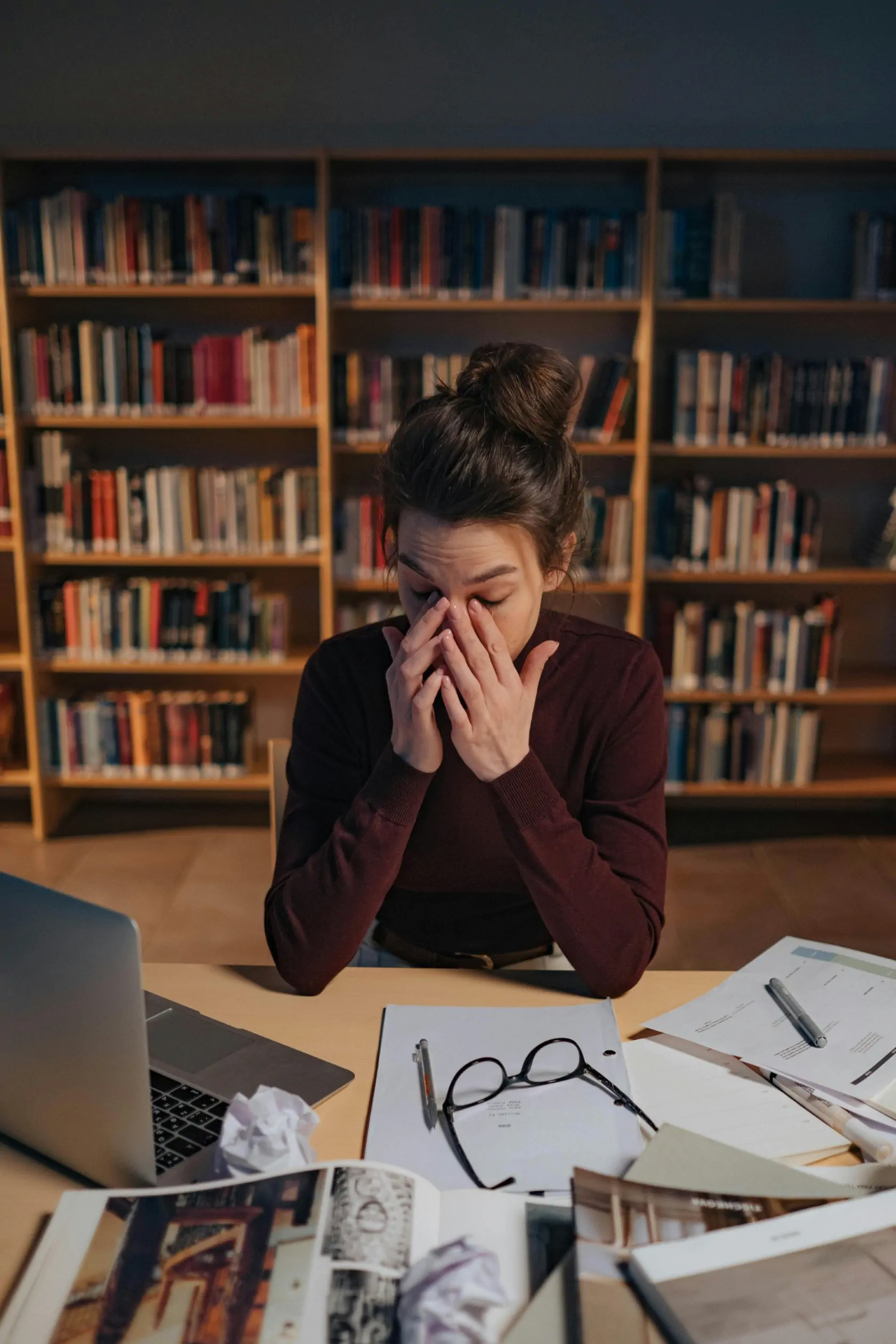
“I would become emotionally invested very early on, and the relationship would dominate every aspect of my life.”
As someone with BPD, the hardest things for me to deal with are rejection and abandonment. Borderlines are often described as ‘sensitive to rejection’. This sensitivity is really hard for me to describe and just as hard for other people to understand. One person’s sadness is my absolute despair. Another’s fear is my overwhelming paranoia. Everything other people feel is amplified tenfold with me. The emotions I feel are so intense that they can have somatic effects and cause me physical pain. At no time is this felt more than when I am in a relationship
I’ve always found it very difficult to make friends. At school I didn’t fit in and other kids would make fun of me because I wasn’t like them. I remember being obsessed with popular girls in the school who I thought were beautiful and would compare myself to them constantly. I wasn’t attractive and was very quiet, and the few times other kids showed an interest in befriending me, it turned out to be a joke. I kept myself to myself and although I felt sad a lot of the time because I didn’t have close friends, I never had to worry about being abandoned or rejected because there was nobody to do those things in the first place.
As I got older, left school and began working, my looks changed and men actually began to show an interest. This is where a lot of my problems began. By this point I’d made some friends and whilst they were having fun and going on dates with boys, I struggled with how to conduct relationships the same way they did.
Over the years, a cycle developed. I would meet someone, we would start dating, then almost immediately problems would begin and soon the relationship would end due to my behaviour. I would become emotionally invested very early on, and the relationship would dominate every aspect of my life. The moment I started dating someone, it would ‘set the timer’ to it ending and I would become hyper vigilant to signs it was nearing its demise. This made me fearful and reactive, as I absolutely hated being alone.
This fear of being alone was fuelled by my overruling fear of rejection and abandonment. I found it difficult to manage the intensity of my feelings and my reactions. If a boy started texting me, I found it difficult not to panic if they took too long to respond to my messages, especially if I could see they had read my message and not replied, or not opened my message at all. I’d check my phone constantly to see when they were last online, then delete message threads in an effort to stop myself checking.
I’d jump to the conclusion that they had lost interest or met someone else and this would have a devastating effect. I’d obsess over what I’d done to put them off, cry for hours and then transfer my focus on to my body or personality and pick myself apart. This then usually led to starving myself or binge eating or other harmful, impulsive behaviours such as overspending, taking drugs or getting drunk as I tried to ‘pick myself up’ after a confidence knockback.
Ghosting would shatter my confidence and I would think about it nonstop for days, wondering what was wrong with me. But if they then got back in touch, the high would be indescribable. It’s embarrassing how much I craved male attention and how needy I was. I attached quickly and my whole sense of self-worth was based on being in a relationship. This meant men often treated me badly, as they knew I was so invested in them. I spent most of my younger years so desperate to be in a relationship that I often tolerated bad behaviour.
But even in a relationship, I didn’t feel ‘safe’. Many were ruined by my near constant paranoia and fear of abandonment. For me this takes the form of a suspicion I am being cheated on. I could never relax, because I was always on the lookout for signals that my partner was being unfaithful. It was a near constant state of fear and anxiety. Every time their phone went off, I’d secretly worry they were talking to another girl, especially if their phone went off in the middle of the night. Nights out and breaks with friends would have me awake all night feeling sick with worry that they were being unfaithful and might not come back to me.
Female friends were a nightmare because I didn’t trust them around my partner and I saw them as my competition. I’d be checking my partner’s social media every day to look for indications they may be cheating or lying to me. It was exhausting. I was either upset and crying, or jealous and argumentative if I didn’t get the reassurance I needed. Often I would split on them and decide they were ‘toxic’ and cut them out of my life with no explanation.
I’m also ashamed to say I leapfrogged from one partner to another in a very predictable pattern of behaviour. If I could sense they were pulling away, I would emotionally shut off and the quest for a replacement would begin. I enjoyed the thrill and validation of meeting someone new and would become involved with them quite quickly with barely any thought about my last partner. I just didn’t know how to work on things when a relationship was going downhill so did what came naturally- running away in search of something new.
I never cheated by being physically intimate with someone else, but I think looking back I probably overstepped the line into emotional affairs. Considering how stormy my relationships were, I’m surprised I entered new relationships so easily. I’ve never had a problem finding partners.
I can be very intense. This was more a problem when I was younger as I would ‘lovebomb’ to get partners to like me. I would also mould myself into what they wanted and often forgot myself in pursuing someone I thought would ‘complete me’. I had a habit of oversharing early on which pushed people away. This was partly down to problems with boundaries but also because I liked to test people by seeing how much they could cope with and if it would put them off me. Most of the time, it worked. I also felt like because of my illness, I needed to warn them what lay ahead and the reasons why I am the way I am. Now I know it’s too much too soon and it’s okay for me to keep some things private.
Another issue can be my levels of sensitivity. Probably because of the hyper vigilance, I pick up on the smallest of signals and can detect even the slightest changes in someone’s attitude towards me. If I feel someone is short with me, my mind goes into overdrive assuming that I’ve done something to upset them or they are looking elsewhere. This usually creates a situation where I repeatedly ask someone if they/we are okay, looking for reassurance that things haven’t changed, and this can cause a lot of frustration and annoyance for the other person. More often than not it has the opposite effect and pushes them away. This can then lead to arguments and jealousy, where I will try to ‘provoke’ them into leaving so I can prove my suspicions were right.
I think that for many people, borderlines might seem manipulative or abusive. For a lot of us the idea that people might leave us is unbearable and we might behave in unreasonable ways to keep people close. When I have felt threatened in the past, I have created conditions which make it more difficult for the other person to leave, such as increasing my dependence on them emotionally. I would never be deliberately manipulative, but it’s hard for me to explain the feeling of panic when I sense someone is about to leave me.
For example, if I see a message notification flash up on my partner’s phone from a girl I don’t know, my stomach drops and I feel like I can’t breathe and need to be sick and immediately thoughts start racing through my mind that they are being unfaithful. For someone else, they may just dismiss this as a text from a friend and shrug it off. I am simply unable to do this- I am incapable of rational thought in these circumstances even if the relationship I’m in is stable at that time.
I hope that this helps to explain the borderline mindset for people who don’t understand why we behave the way we do. We aren’t horrible people or deliberately manipulative, so much stems from insecurity and fear. As I’ve got older I’ve begun to understand a lot more how my actions affect others and how damaging my behaviour in relationships can be, but that doesn’t mean I always get it right now.
The hardest thing sometimes is when I am having a natural reaction to something, for example a partner talking to an ex, where I am unhappy about it and my partner then blames my feelings on the BPD rather than accepting it as a normal reaction and trying to comfort me, as they likely would if I was non-borderline. I know my condition sometimes skews my perceptions and reactions, but I am still human. Sadly I think that sometimes people forget this when we talk about mental illness.