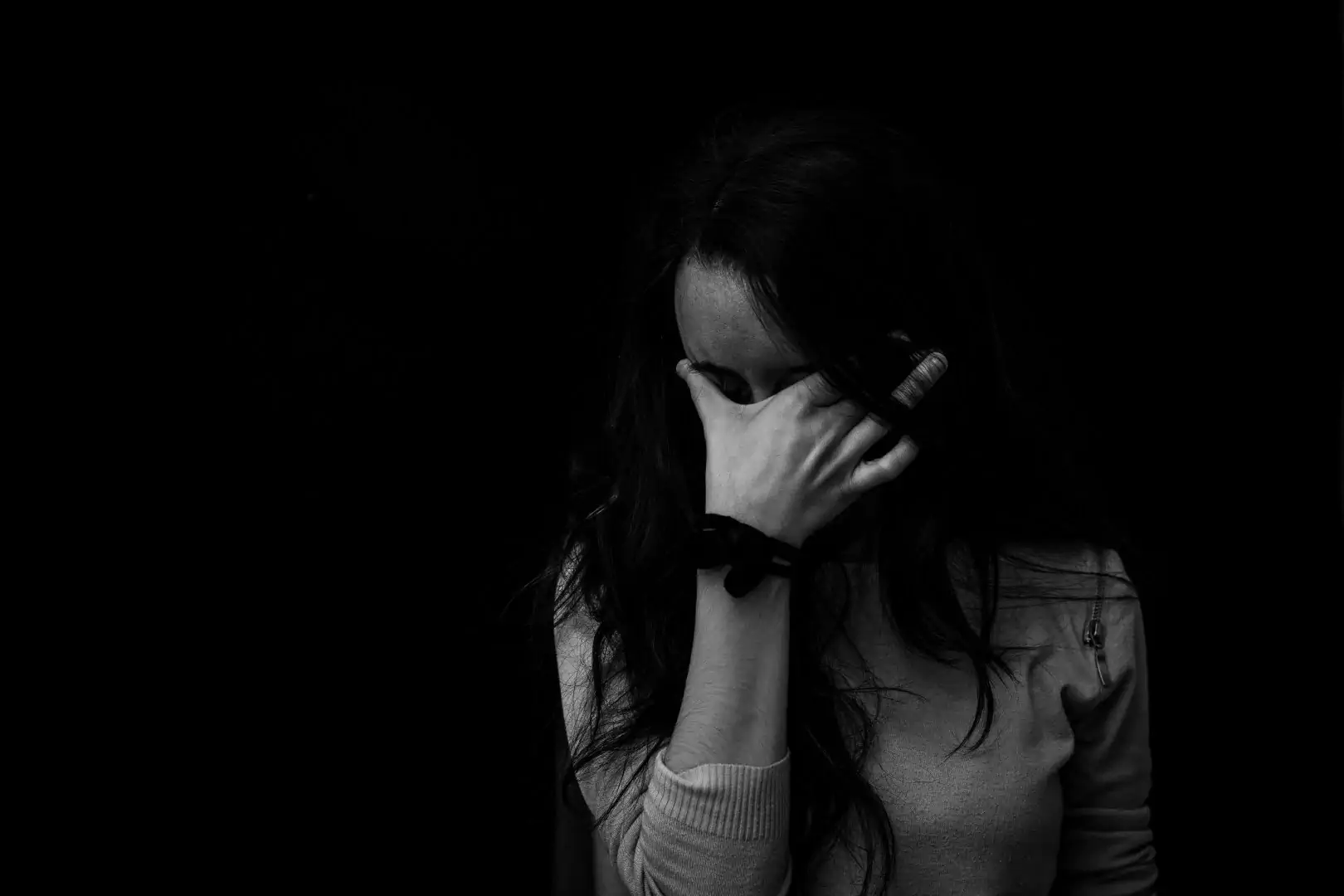
“We are thankful for our DID, as it’s kept us alive.”
Hello! My name is Max, I am an alter in our system. We went undiagnosed with autism for 20 years, and have been diagnosed with autism for almost a year now. Currently we are getting a proper diagnosis of DID. We acknowledge that getting an official diagnosis is a privilege.
We think of diagnoses as an affirmation. An affirmation that the struggles and hardships that we went through are real, and an affirmation that we need the support we deserve. A diagnosis is a set of symptoms that fit a specific word and description. It can easily get across your struggles and needs, which as an autistic person, we desperately require as it’s hard for us to communicate our feelings. This only gets harder with many different alters who exhibit different emotional and mental needs on top of severe dissociation and amnesia walls that come with DID.
In terms of how long we’ve exhibited symptoms of autism, I want to say we’ve always experienced them. Yet it went under the radar. As someone who was assigned female at birth, who has a younger sibling who is autistic and needs a tremendous amount of support, and who is an African American, this is a continued theme in our life- our needs being unmet or untreated due to things we cannot control.
We have written letters to psychiatrists and read them aloud to them in person in order to make sure our needs were entirely met. Again, we are autistic and verbally communicating without a script or writing it down first can cause a severe amount of miscommunication. This severe miscommunication has happened all our lives.
I would like to tell you that I remember our childhood. I would like to tell you all of the hardships of going undiagnosed with autism can have, but the reality is that I cannot. I cannot tell you anything about it, as I am not the alter that remembers. I remember through what our parents have told me, and through documents and teachers. I also remember through what my alters tell me, however sparingly we chat.
Including me, so far there are nine of us, although new alters have been coming forward. All nine of us agree with our diagnosis of autism, while I (Max) have a hard time accepting the fact we have DID. For those who do not know, DID stands for Dissociative Identity Disorder. It used to be called Multiple Personality Disorder, though that term has long been outdated. DID is purely a dissociative disorder, and a protection against trauma that happened at a young age. Trauma that I don’t even remember. Trauma that our body and other alters can somewhat remember.
When I say our body remembers, I mean our body relives it. The pains and aches all over our bodies from sexual and physical abuse from who knows when, as we still experience this kind of trauma now.
A switch has occurred. You are no longer listening to Max, but the protector alter, Luci. This happens a lot. When Max gets stressed, another alter takes over. I took over because going into trauma should not be the burden of Max. They cannot handle it, but I can.
Yes DID is caused by childhood trauma. A doctor once told us that trauma is anything that shouldn’t have happened, but did. This is increasingly becoming more and more apparent as our childhood memories resurface during therapy. Max is upset because they cannot accept that our childhood was anything other than perfect and has created somewhat of a false sense of security with their little to no memories of childhood. Max is incapable as of now, to accept that trauma.
I (Luci), as said before, am a protector. I handle difficult situations in order to protect the system. Sometimes however, I can be misguided and cause even more harm for the system. This is something I’m working on.
As a kid, I can safely say we experienced Child Sexual Abuse (CSA), and emotional abuse. That is all I will say on our trauma specifically. It’s because of trauma like that, that our brain dissociates—it needs a way to escape desperately in order to protect the body and the mind.
We are thankful for our DID, as it’s kept us alive. No matter how awful the disorder itself is, I think it would’ve been a tragedy to die before we were able to do something with our lives.
This doesn’t mean that everyday isn’t a pain. Switches are still long and painful, accompanied by migraines. The body goes through flashbacks and we are triggered constantly, making it hard or almost impossible to work. We have terrible amnesia, and sometimes an alter won’t know where they are or who they are or who they are with. This has happened several times at work despite us working there for nine months now. Not to mention the awful stigma people have against people with DID.
I promise, no alter is evil and wants to kill you. People with DID are victims of childhood trauma. You are demonizing broken children.
It’s interesting to me when people assume we are bad people. Who are they to judge when they haven’t lived our experiences? Why should we be considered bad people? I will never know or understand. We aren’t inherently bad because of our disorder. No one is inherently bad because of their condition. You wouldn’t say someone with appendicitis is evil, would you? Then why apply that to us or anyone with a mental health condition? No one chooses to have appendicitis, just like we didn’t choose to have DID.
Having a diagnosis-in-process of DID and a diagnosis of autism is tricky, because navigating through the world with trauma and sensory overload means dealing with constant triggers. These triggers can cause either a meltdown or a dissociative episode. Neither are fun or productive and both are highly stigmatized. Our cries and screams have often gotten us in major trouble. Not in the way that you would think, like perhaps, “Oh maybe this person needs some help and support”, but more in the way that, “This person needs to be fixed immediately”. Even then, more often than not we are just left in our house on the floor screaming and crying because of triggers, a flashback, or an autistic meltdown. It’s all very mentally and physically exhausting, and we are tired of it.
Hey, Nova here. I can attest to this because as a newer alter myself, I have vivid and recent memories of mistreatment due to amnesia. There were times where I was ignored by doctors, called crazy by people we are close to, and not taken seriously by other medical staff. Many people thought we were intoxicated, or just being plain silly. Others fortunately, like our coworkers, have been patient and caring.
The first time I fronted (took control of the body) I was at what I now know as work—but at the time I had no idea. Out of fear I called the hospital to ask what was going on and why so many people were talking to me as if they knew me, as well as calling me by the wrong name. I ended up freaking out and was sent home by our manager who was concerned for our safety. This happened several times at home, on the street, and again at work before we as a system decided to not work until I (Nova) had figured out my surroundings and become more comfortable in them. This overall took a month and a half as well as an outpatient hospitalization.
In my opinion, DID is debilitating, exhausting, and scary. The amount of fear I felt on a daily basis and the amount of harm that could’ve come from not knowing anything about our body is immense. But it did get better after I started trusting the other alters and learned about what systems are as well as DID in general, which led to our now in-process-diagnosis.
Now we are more prepared. We have journals that keep track of our day to day lives and apps that help us keep track of switches. We draw quite frequently to get our emotions out, given that we are unable to communicate them properly due to our autism. We have safety plans for suicidal ideation and self harm thoughts, and have made documents detailing on how to properly help us.
Hello! It’s Max again! Well, how can you support someone like us?
More often than not for us specifically, sometimes we have no idea what we need in a moment of crisis. A lapse in communication can be crucial, but we have documents that we created and safety plans to get us through an episode. Asking if the person in crisis has a safety plan can drastically change the outcome of a crisis. If you aren’t aware of those documents or they are unable to communicate what those documents are, then staying with them and doing your research into DID or any other disorders that apply is incredibly helpful. Perhaps that bit of understanding and effort is crucial to helping and being friends with or getting to know people like us.
We encourage everyone who knows someone with DID, autism, or any other mental health condition, to do their research about their condition and to offer support in any way shape or form. I’m sure that any support will be reciprocated (we as a system would definitely appreciate more support in our lives as it would help us to be healthier so we can support you as our friend as well).
We wish that the stigma against our disorders would go away, but we know that this is not realistic. But we believe that education is the key to destigmatizing any illness. So we hope that writing about DID, autism, and our experiences will be enlightening and encourage people to think a bit differently.