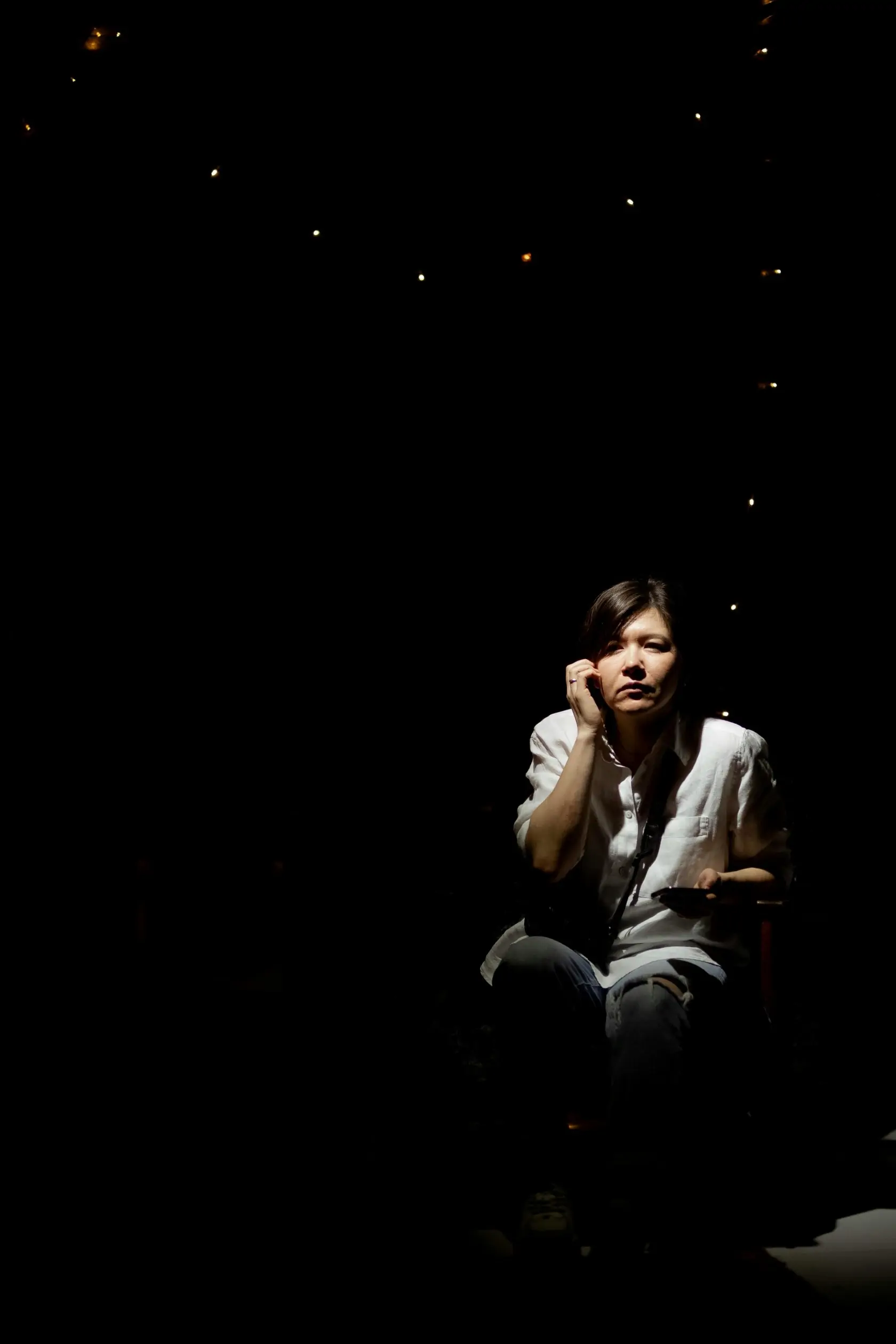
“I felt as if I had to deny part of who I was in order to fit with the diagnosis.”
I first noticed my emotions felt ‘bigger’ and increasingly less bearable for me when I was 18, after I struggled to gain the grades I had expected of myself in my final year of school. I had always been an emotional person, but considered it an asset, a sensitivity that meant I felt deep empathy with other’s pain and joy – and while I could feel the extremes of both joy and sorrow, I was generally able to ride the emotional waves until they calmed. It was during this period that this capacity increasingly slipped away, and I first attempted suicide and ended up in hospital.
I developed what would be a long-lasting reliance on self harm as a form of emotional control and self-punishment – and the stint in hospital remains a clear boundary in my mind that something wasn’t ‘right’, a kind of before/after demarcation, where after hospital my struggles seemed to take off.
The emotional extremes I already lived with were now followed by long stretches of apathy and numbness and a growing fear of rejection, failure, and abandonment. This was, and remains to be, what is most noticeable and difficult for me – stretches of ‘emotionlessness’ even when I should be happy, angry, or grieving, and a general fear of any form of personal rejection (like failing to do well at something, or a relationship ending), when fulfilled, can send me spiralling toward thoughts or actions of self-harm.
I would fall under the category of ‘high-functioning’, a label which I don’t find particularly useful as it fails to identify the underlying emotional and cognitive symptoms I struggle with daily. I have two degrees and am on track to start a PhD in a few years, and I have a good job, but the road to get there has been interrupted several times by my BPD. Particularly, my self-harming tendencies and my lack of belief in my capacity, a sort of self-fulfilling cycle where I punish myself for not achieving my goals, but self-punishment also stops me from achieving them.
In terms of relationships, I find my symptoms only really influence my romantic relationships and I’ve never had issues maintaining long, close friendships. They were so severe at the beginning of my last serious relationship that I sabotaged it (albeit unintentionally), which is probably my biggest life regret to date.
I got my diagnosis through the NHS Impart service. When I moved to the UK my symptoms sharply increased, triggered by the change and the beginning of a new relationship. I called the mental health services self-referral and described my symptoms, looking for help. Due to self-harming, I was referred to Impart, and began Dialectical Behavioural Therapy. My clinical psychologist wrote an assessment confirming the diagnosis.
In some ways, it was a huge relief, primarily because it gave me access to the help I needed. In another, longer-lasting way, I resent the diagnosis. My issues seemed quite an obvious response to severe sexual, emotional and physical abuse I had experienced, coupled with a natural emotional sensitivity, and they were certainly treatable and I was open to change.
This didn’t seem consistent with the way BPD was described online, and I felt as if I had to deny part of who I was in order to fit with the diagnosis – for example, I did not have trouble maintaining close relationships and I was generally open to other people’s views but had specific issues around sexual and romantic intimacy. I was not open about it, because I didn’t want my friends to think of me differently and I had never been open about my self-harm before.
In my experience, it’s 50/50 with professionals. I’ve had some wonderful therapists and my current one is amazing. Some of the psychologists that I first dealt with were patronising and judgmental, and fixated on aspects of BPD that I didn’t have – but they would ask me about them over and over, even though I’d made it clear I didn’t behave in those ways. I was offered treatment immediately once I’d got in the system but that was self-referral, no GP ever offered me treatment when I presented to them.
The worst thing that ever happened to me was when my original psychologist in the NHS falsely wrote that my mother had physically abused me and misquoted me in my disclosure of sexual assault in the report they sent to my GP. That really broke my trust in the process at first but I have since been reassigned to a really fantastic therapist who gets BPD completely, and also treats me like an individual with a personality and a history outside of the disorder.
I think BPD is one of the most stigmatised mental health disorders out there. People get several things wrong about it, but for me the most obvious ones are usually that it’s incurable and untreatable, or that people with BPD are manipulative and self harm for attention. I self harmed for years, secretly, and never told a soul.
Honestly, I don’t think the term ‘personality disorder’ should be used at all, and EUPD is just another stigmatising label that doesn’t have the intended effect. I really feel the label is only as helpful as the treatment you receive because of it.
I would love to hear more from people who have successfully been treated or no longer meet the threshold for BPD- not people who are in ‘remission’. I know for a fact that there are many people who only met the threshold for BPD for a set amount of time after being severely victimised and traumatised.
Generally, you only hear about BPD in the media when someone is being criminalised, or on the flipside, to disparage victims’ legitimacy. It’s weaponised all the time. I’d love to hear from people who lead fulfilling lives alongside a diagnosis, and advocates more often – people just don’t really seem to care about BPD despite it being so similar to other disorders that are more commonly spoken about.
I’d love people to know that even though I no longer meet the threshold for BPD, I wouldn’t change those years I struggled for anything, as they made me a warmer, better informed, and accountable person with oodles of empathy for others.