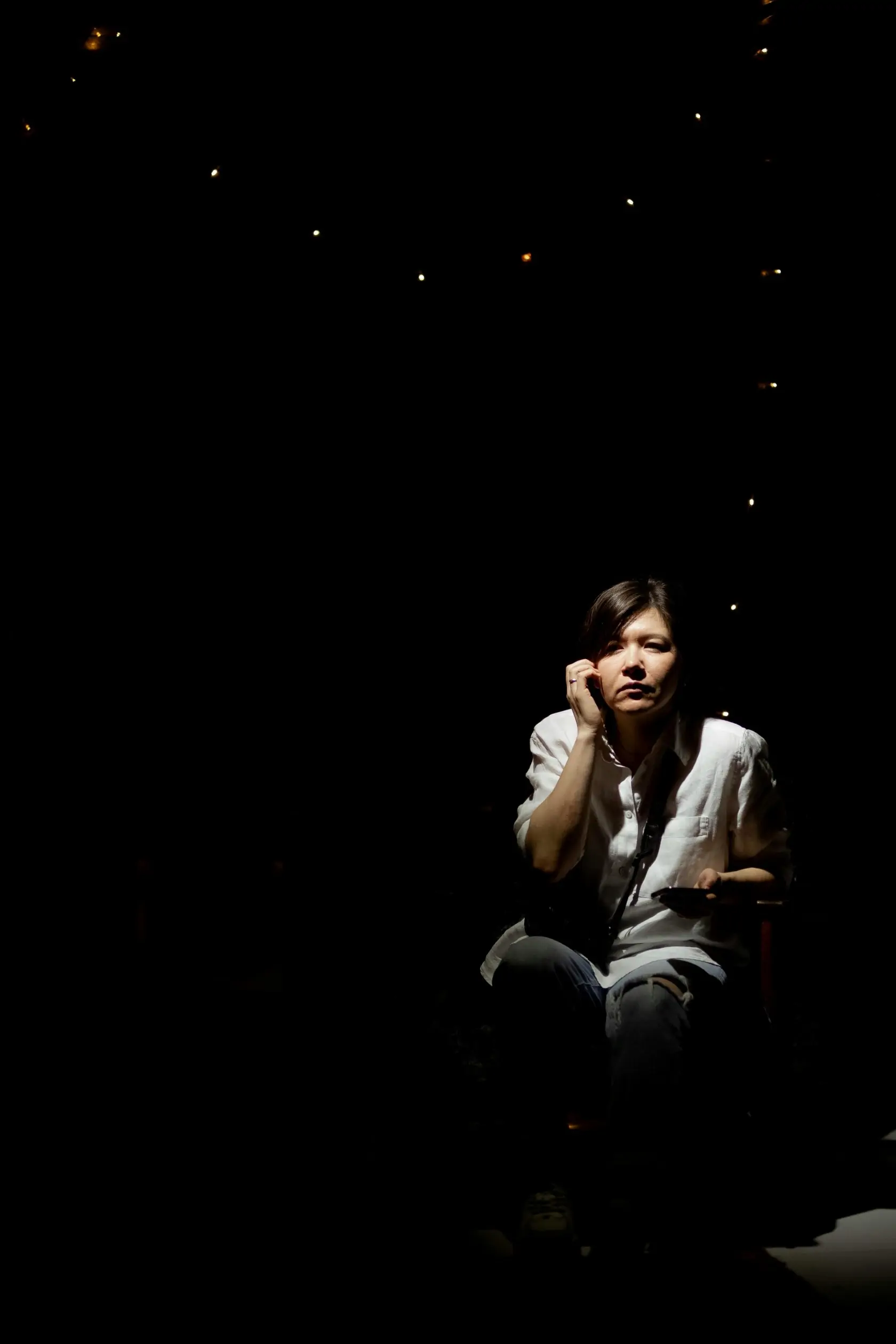
“I lose half my life to symptom management.”
I am diagnosed with BPD, ADHD, MDD with co-morbid fibromyalgia and trigeminal neuralgia, off the back of Hodgkins Lymphoma (six years remission).
I struggle with symptoms related to emotional regulation— the chronic emptiness that comes and goes with BPD, extreme apathy, dissociation, intense inner anguish, explosive rage and impulsivity. These emotions are so intense they become physically disabling and require hours/the rest of the day after a triggering episode to come back to ‘baseline.’ I also meet the criteria for ASPD and NPD but I have decided not to seek formal diagnosis for these because of stigma, and I’m already as well ‘managed’ as I’ll ever be.
The hardest of all these is the inappropriate anger, hatred and rage that blows up inside of me almost without any notice in response to perceived threats— or even in preparation for them— it is as though I am ‘wired’ for war, and I always have been.
It is extremely stressful and annoying and despite being mindful of this, I have to actively force myself to override with my actions what my mind/body thinks is happening (“We are going to fight someone today”/“Everyone is an enemy”).
It feels like there are two people inside of me every day. And not just in the sense of duality. So I guess that is where the identity disturbance comes in, though I don’t think of that as a symptom that still impacts me as much because I’m aware of it and can override it more often than not.
When I was 18 and my aggression was really out of control, my mum took me to the GP for a referral to psychiatric care. He suspected BPD and referred me to the leading child psychologist in our city. She told me in the second session I was ‘too complex’ for her. So I figured therapists obviously have no idea how to work with us, so I went to uni myself and did a counselling and behaviour management degree and I applied what I learned to myself.
I managed well with a career and relationships until I got cancer, fibromyalgia and with that the MDD returned because my functioning was severely reduced. This was the perfect storm for BPD/ASPD symptom relapse. So 14 years later the first diagnostic process started, I finally sought a referral to psychiatry and received the formal diagnosis almost immediately.
I found it interesting that when I was 18 without knowledge, it was so difficult to get a diagnosis or to even be seen, and at 33 as a ‘professional’ peer with lived experience, I was listened to. It’s as though now I have an education, they saw me as ‘one of them’ and they listened to me. Even my GP says, “But you’re different, you’re a professional and you’ve also done the work.”
But I say to that, well I had to, because no one would help me get to this point and it nearly killed me. It’s not right I receive more grace based on the fact I am educated. But that seemed to be the experience, and still is.
People think that we are not self aware, and that we can control our emotions. I am fed up with being demonised for intense emotions being a choice, because even though now, when I do not lash out, that doesn’t mean I don’t have to go through the ‘come down’ every time. I lose half my life to symptom management and trying to be a good person in the face of biology that betrays me.
We can manage our external behaviour and improve functionality, indeed. But for many we cannot make the inner storm go away— the emotional pain becomes a physical disability.
What is futile in my opinion is the false hope offered in so called ‘BPD recovery’. To me it doesn’t matter how functional my life is or how much ‘meaning’ I can create, it’s still a life lived in torment and pain half the time. A life of full time self care is exhausting and it’s no way to live— we need compassion and we desperately need more research so more treatment options or drug therapies can be discovered.
I do have hope; for stigma-reducing around Cluster B, so long as more emphasis is put on the brain dysfunction element, because unfortunately people need to get medical in order to have compassion.
With more compassion from the MH community, society in general, communication skills training in how to talk to someone with BPD etc, we will have more stable and trusting relations reinforcing us to seek help and feel safer looking down the barrel of the rest of our lives, knowing we have this journey ahead of us and not feeling alienated.
Something I’ve pondered on over again that I think everyone should really consider is this- Folks often judge Cluster Bs because of misconceptions about our emotional ability. Because we don’t ‘feel’ the same way as others, when we don’t act in accordance with these feelings, we are labelled as manipulative and fake. Not even God Himself defines love as a feeling or an emotional state, but He defines it as a series of ACTIONS.
How much more meaningful is it, for those such as myself who at times feel nothing but apathy, or I may feel intense hatred for an enemy, yet I choose to show love with my actions and do what is right despite my personal vendettas?
A lot can be learned from people with personality disorders. I would rather a friend who had messed up feelings but chose to love me with their actions every day because they knew that’s what matters to others, than a friend full of ‘feelings’ for me, but rarely showed it.
“There is no greater love than this, than he who lays his life down for his friends.” John 15:13.
And that is what we try to do.