
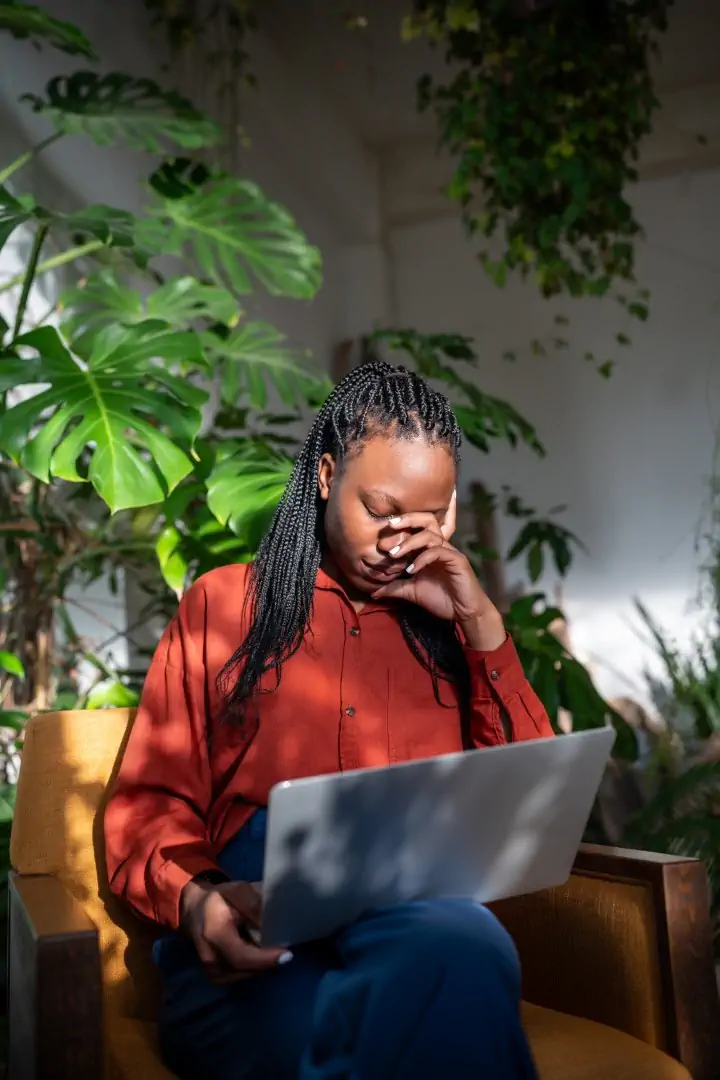
“At times it almost felt like I had a double life.”
I have suffered with my mental health since my teens (I’m now 32) but for a very long time I’ve kept my feelings well-hidden and been able to manage my symptoms internally and not let it affect aspects of my life.
Unfortunately, my mental health has significantly worsened over the last five years, leading to struggles with relationships, my family and friends, my work commitments and my independence, which has resulted in unexpected changes in my life. As of a year ago I now have a diagnosis of Borderline Personality Disorder/Emotionally Unstable Personality Disorder. This causes emotional instability, disturbed patterns of thinking or perception, impulsive behaviour and intense but unstable relationships.
It was common knowledge I have mental health struggles within my team at work, but the reality of my daily struggles was very much hidden. At times it almost felt like I had a double life. I think for a while I was able to control and suppress the majority of my symptoms relating to my BPD in most work situations.
Looking back, it wasn’t my best decision, as it meant I was struggling alone in silence at work and then going home, where I live alone, and letting it all out in any way I could just to feel like I can breathe again. I believed if I opened up about the reality of my struggles to my boss and my team then I would be treated differently, responsibilities might be taken away from me and I wouldn’t be seen for my work but just for my struggles and limitations.
During my depressive episodes I could even believe they were already trying to get rid of me, as I am more hassle than I’m worth. It was therefore easier (in my head!) to struggle internally than risk all those thoughts and judgements in my head coming true. Unfortunately, like with every coping mechanism I have/had, it only lasted for so long before it stopped working.
I started showing my emotions in intense and impulsive ways at work, something I had little to no control over. This is could be anything from uncontrollable sobbing to raging anger. I’ve since experienced depressive, euphoric and dissociative episodes while at work. These episodes sometimes have involved self-harm.
I was certain I couldn’t carry on struggling at work and so I decided to open up to my boss about my thoughts, feelings and behaviours and the daily struggles I have with them. At the time I wasn’t honest about my struggles (at this point I did not have a diagnosis) with the hope to receive additional support and workplace adaptions to make my time at work manageable. I was desperate, lonely and had no other option other than to leave my job, which was not an option financially.
Although it was one of the hardest decisions to make, it felt right when I began to open up and looking back maybe it was the only sensible decision that still aids my recovery that I made while I was at my lowest.
Over the last two years I’ve continued to be open and honest about my mental health struggles in and outside of work to my boss and close colleagues. This has enabled them to adapt my working environment and to support me in a way I didn’t realise I needed to be able to succeed at work while being in a safe environment.
The workplace adaptations I have in place have been adjusted over time with lots of trial and error to see what works for me, my team and the company. Currently a few of my workplace adaptations include more frequent breaks, a quieter working space, opportunity to work from home on my more difficult days and flexible working times.
I also (more recently) have a workplace safety plan that was created with myself, my boss and personality disorder worker. The aim of the safety plan was to ensure myself and everyone involved in supporting me at work had the same understanding and expectations of each other with the same goal; for me to continue to work to my best ability in a safe environment.
I am incredibly fortunate my boss already had an understanding of my condition because I do appreciate disclosing any mental health condition, and the associated symptoms, to your boss can be daunting and intimidating, especially due to stigma around certain conditions. There is a chance you may not receive the level of support and understanding I’ve been so fortunate to receive, but it doesn’t mean you don’t deserve that, and that there isn’t a working environment out there that is suitable for you and your needs.
One thing I’ve learnt, and now try to live by, is that I can’t assume how people are going to respond to me, my struggles or my condition. That would mean I’m judging people on judging me. Some people might not understand me and do judge me before knowing me, but some might not. Those that don’t are the ones that are worth keeping in my life.
Over the last few years I’ve opened up completely to a few close friends and that has given me the confidence to put my trust in new people and allow friendships to grow. I now consider my boss a good friend; I was honest and vulnerable, and in return I received no judgements but unconditional support and guidance and with that I have been able to continue to work.
I am not denying my life (and my symptoms) would be easier if I didn’t work, but for me I already feel like I’ve lost a lot- mainly time and my independence because of my condition, but I knew I didn’t want a life without my career, which I know I still love and is a part of who I am.
Most of the time my work gives me purpose, satisfaction and structure to my days which I do need. The fact I also work in a supportive and safe environment surrounded by people who understand me and my struggles makes the more difficult days manageable.


