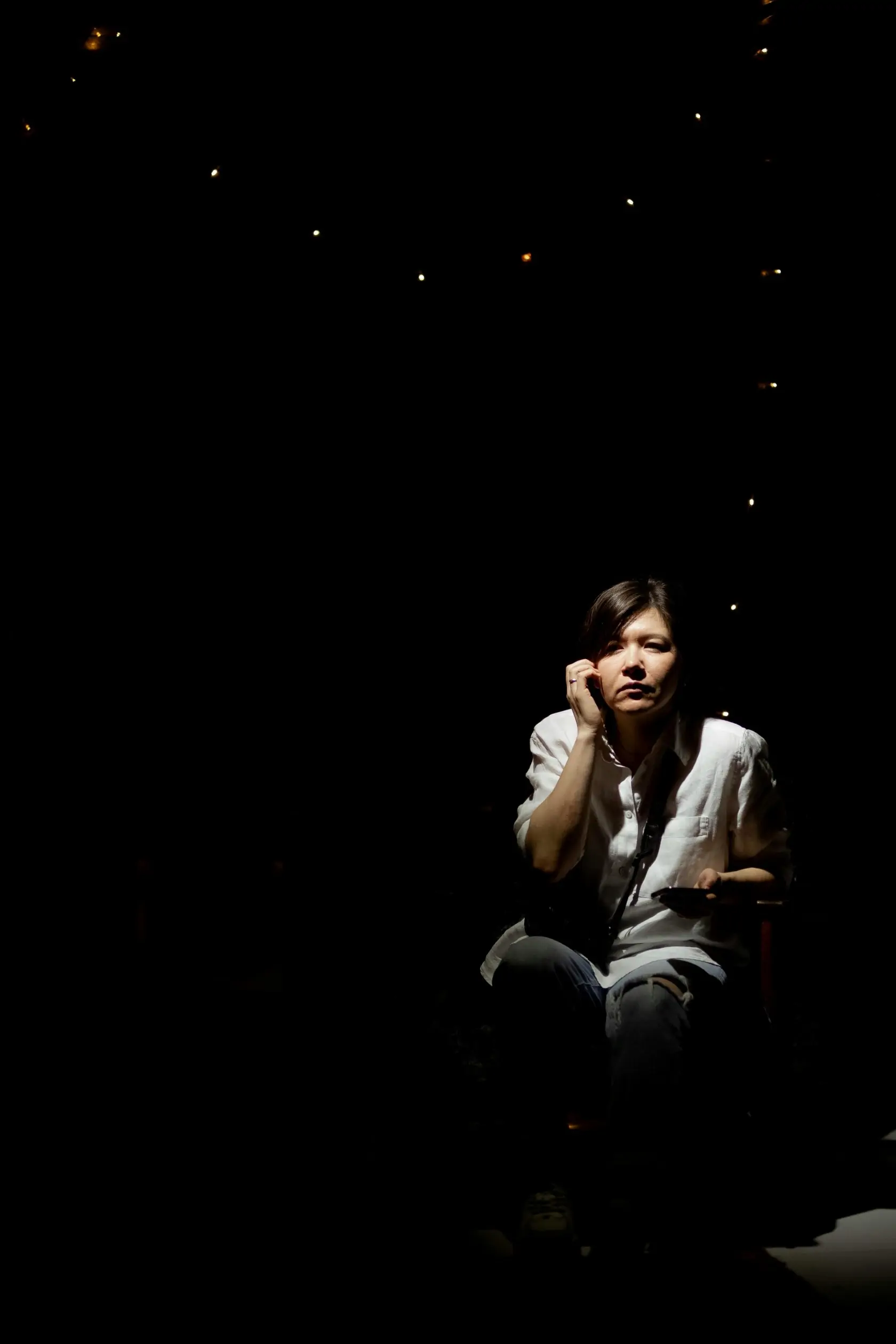
“I am in a constant cycle of pushing people away to avoid rejection, but desperately wanting to be liked and have friends.”
My symptoms have existed for as long as I can remember, and I spent most of my teens under a CAMHS team. Despite this, I was well into my twenties, my teaching career and my umpteenth crisis before an eagle-eyed psychiatrist recognised I have Borderline Personality Disorder (BPD) and Autism Spectrum Disorder (ASD). I also have a diagnosis of mixed anxiety and depression disorder.
In terms of autism, I have some of the typical symptoms, such as being a stickler for routine, inability to read facial expressions or tone of voice, and sensitivity to particular stimuli. However, like many other women, my autism was diagnosed late due to my ability to ‘mask’- a word used to describe when autistic people learn, practice, and perform certain behaviours and suppress others in order to be more like the people around them. BPD is responsible for a range of symptoms such as ‘splitting’ (seeing someone as all good or all bad), lack of my sense of self, boredom, paranoia, and extreme mood swings.
In many ways, teaching is a great career for someone who experiences the world as I do. Firstly, communication tends to be more straightforward with younger people than my peers, as teenagers are less tactful and tend to speak their mind. This takes a lot of the guesswork out of interpreting body language, tone of voice or choice of language. Another major benefit of teaching is that a teacher gives me a sense of identity and goes some way to fill the empty void I often find myself feeling. I can honestly say I am never bored in a room full of students- often stressed, overwhelmed, and agitated, but never bored.
However, I am finding that it is increasingly difficult to maintain a career in teaching and maintain my mental health. My medication helps by stabilising my mood, but many of my symptoms cannot be helped with medication.
Masking is tiring on a normal day. On a day when I am struggling with mood swings, it is downright exhausting to put all my energy into being a welcoming, patient, and positive person for my students. I must be a fully functioning adult for my students, even when I cannot be one for myself. Having a meltdown in the middle of a lesson is just out of the question, so a ‘shutdown’ is the only way for me to survive when I just can’t cope anymore. I am still aware of what is happening around me, I just can’t respond to it.
A shutdown appears less intense, and most people do not even realise I’m going through one, but they can be just as debilitating and frustrating as meltdowns. Luckily in school I tend to recover from shutdowns quickly or manage to avoid it until I get somewhere I feel safe, like the car or at home. But they are becoming more common as student behaviour and teacher workloads get worse and my ability to power through is waning.
My paranoia and difficulty in interpreting facial expressions and tone of voice has led me on many occasions to avoid social interaction with colleagues. I won’t add someone first on social media, out of fear of rejection that they wouldn’t want me as a friend. I am convinced that many of my colleagues hate me, if not for my personality, then definitely because of the cover they have endured when I am unable to drag myself out of bed due to depression or have a panic attack at the thought of leaving the house.
If someone is nice to me, I am convinced they have an ulterior motive for being nice or that it is some type of sarcasm that I can’t recognise. I’ll shut myself out of conversation in groups of colleagues, out of worry that they couldn’t care less what I have to say, or that I’ll say the wrong thing. This being said, I feel devastated if I am left out of anything. One time I saw a picture of colleagues I am fond of all out together and I cried for hours due to intense feelings of rejection. I am in a constant cycle of pushing people away to avoid rejection, but desperately wanting to be liked and have friends.
Support from management in my school has been okay. Whilst they seem very sympathetic and supportive, everything is mentioned from an autism or anxiety perspective. BPD is the most difficult condition for me to regulate, and people do not seem to understand the impact it has on my everyday life. Make a generalised comment? I’m going to assume it is about me. Laugh in the corridor? I’m going to assume that it is about me too. Email me to say you want to meet with me after school? I’m going to spend the whole day fretting over what I did wrong. I am paranoid that management wants me gone and no longer wants to deal with me.
Underlying all of this is the unshakable belief that I am not good enough at my job to stay. Every piece of criticism, no matter how constructive, feels like another knock to my already rock-bottom confidence in my ability to teach. I constantly feel like I am being watched and judged for everything I do. Whether or not this is the case, I no longer know. But that is BPD, I can’t imagine many people thinking anything positive about me and no amount of logic allows me to think differently.
All of this has driven me to ‘spilt’ with teaching. When I started, I was full of enthusiasm and every bad aspect of teaching was justified in my head with the same mantra that every teacher says again and again: “It’s for the kids’ ‘. But now, I feel that everything I used to love about teaching has been poisoned with negative emotions. My relationship with my job has become toxic. So, like most of my relationships before it, professional, platonic, and romantic, I will jump ship and abandon it before they abandon me first.